
Free Trial Guides, Global guides
No-Card Free Trials: What 896 Offers Show and Why Some Brands Skip the Card

Nov
“No credit card required” is one of the most appealing phrases in free trial marketing, and also one of the most misunderstood. We went through the card field on every offer in our database to see what is actually true. Here are five common beliefs about no-card trials, tested against the data.
Belief: no-card trials are rare
They are not. Our database holds 1,723 offers, and 896 of them record a clear answer on whether a card is needed to start. In 651 (73%) the answer is no card; in 245 (27%) a card is required. The remaining 827 offers have no card information on record, so we leave them out of every percentage below rather than guess.
Seen this way, asking for a card is the minority approach. The mix depends heavily on the kind of product, which leads to the next point.
Belief: it depends on the brand, not the category
In practice the category predicts it better than anything else. Among offers with a known card status:

| Category | No card | Card required | No-card share |
|---|---|---|---|
| CRM and sales | 83 | 1 | 99% |
| Business and finance | 225 | 25 | 90% |
| Email marketing | 84 | 15 | 85% |
| Software and productivity | 133 | 41 | 76% |
| Fitness and wellness | 34 | 23 | 60% |
| Education and learning | 39 | 36 | 52% |
| Entertainment | 17 | 52 | 25% |
| Streaming and TV | 4 | 47 | 8% |
Categories overlap in our listings, so an offer can appear in more than one row. Even so, the gap is wide: business tools mostly skip the card, entertainment mostly asks for one.
Belief: a no-card trial is a shorter, weaker trial
The opposite is closer to the truth. Of the 542 no-card offers that state a length, 251 (46%) run for 14 days and 128 (24%) for 30 days; only 76 (14%) are 7 days. Among the 209 card-required offers with a stated length, the pattern flips: 101 (48%) are 7 days, 49 (23%) are 30 days and 36 (17%) are 14 days. So no-card trials in our data are typically longer.
Examples with no card and a full month include Ableton Live and Melodyne, both listed at 30 days. On the card-required side, Tabnine Pro is listed at 14 days with a card, and Hulu + Live TV at 3 days with a card.
Belief: brands skip the card out of generosity
Brands rarely say why they choose one model, so what follows is our reading of the pattern rather than a statement from any company. Two explanations fit the data. First, products sold to businesses usually need set-up work, such as importing contacts or connecting accounts, so a trial that begins with a card form can feel like a barrier at the moment the buyer is still deciding whether to invest effort. That would match the 99% no-card figure in CRM and sales. Second, a consumer subscription priced at a few pounds a month gains more from converting forgetful sign-ups than from lowering friction, which would match the high card rates in streaming. Neither explanation is proven by our data; they are simply consistent with it.
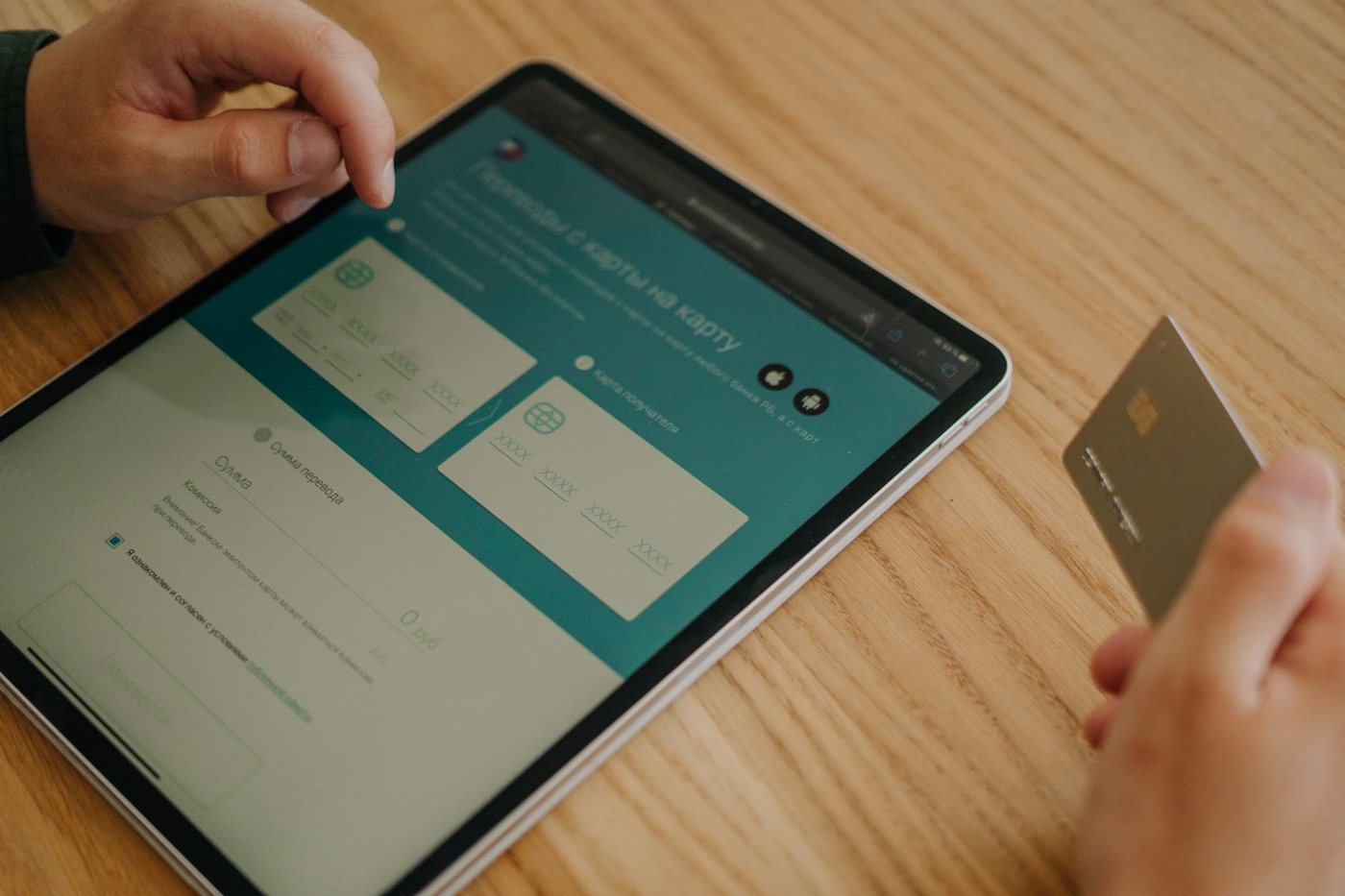
What a no-card trial does give you is a clear edge: when it ends, nothing is charged because there is nothing to charge. That is a real practical advantage for anyone worried about forgetting a cancellation date.
Belief: no card means nothing can ever be charged
Be careful here. Our data also carries a separate field for whether an offer is recorded as renewing into a paid plan. That field is populated for 156 offers; of those, 21 are listed as no card but renewing, and 48 as card required and renewing (the other 87 have no card information). Descript is one example: listed with no card and a renewal flag. A no-card trial can still lead into a paid plan if you choose to subscribe or add payment details later. What happens at the end varies by offer (our record for Melodics, for instance, notes that it reverts to a limited free plan), so read the end-of-trial terms on the brand’s own page.
Belief: if the page does not mention a card, none is needed
This is the riskiest assumption of all. Nearly half of our offers (827 of 1,723, or 48%) have no card information on record, usually because the brand’s page does not state it clearly or because it varies by region or plan. A blank is not a “no”. Terms can also depend on where you sign up: our record for Dove Channel lists 7 days through Amazon or Roku but up to a month on Apple. When the answer is not stated, assume a card may be requested at some point and look for the line in the sign-up flow before you commit.
A quick checklist before you start any trial
- Find the card line on the sign-up page, not just the advert.
- Note whether the trial moves to a paid plan, a free plan or simply stops.
- Write the end date in your calendar the day you start, whatever the card answer.
- If a card is required, check how and where to cancel before entering it.
The bottom line
No-card trials are the majority in our data (73% where the card status is known), they are typically longer, and they cluster in business software. But “no card” describes how you start, not necessarily how the offer ends, so check the renewal terms. Where a card is required, expect the product to be a consumer subscription with a shorter trial, and plan your cancellation before you enter your details.
Sources
- Try It Now Free offer database, card and renewal fields (tryitnowfree.com), extracted November 2026
