
Free Trial Guides, United Kingdom guides
Paying for a Free Trial by Card in the UK: What the Financial Ombudsman Service and Citizens Advice Say About Section 75, Chargeback, the £100 Minimum and the 120-Day Limit

Nov
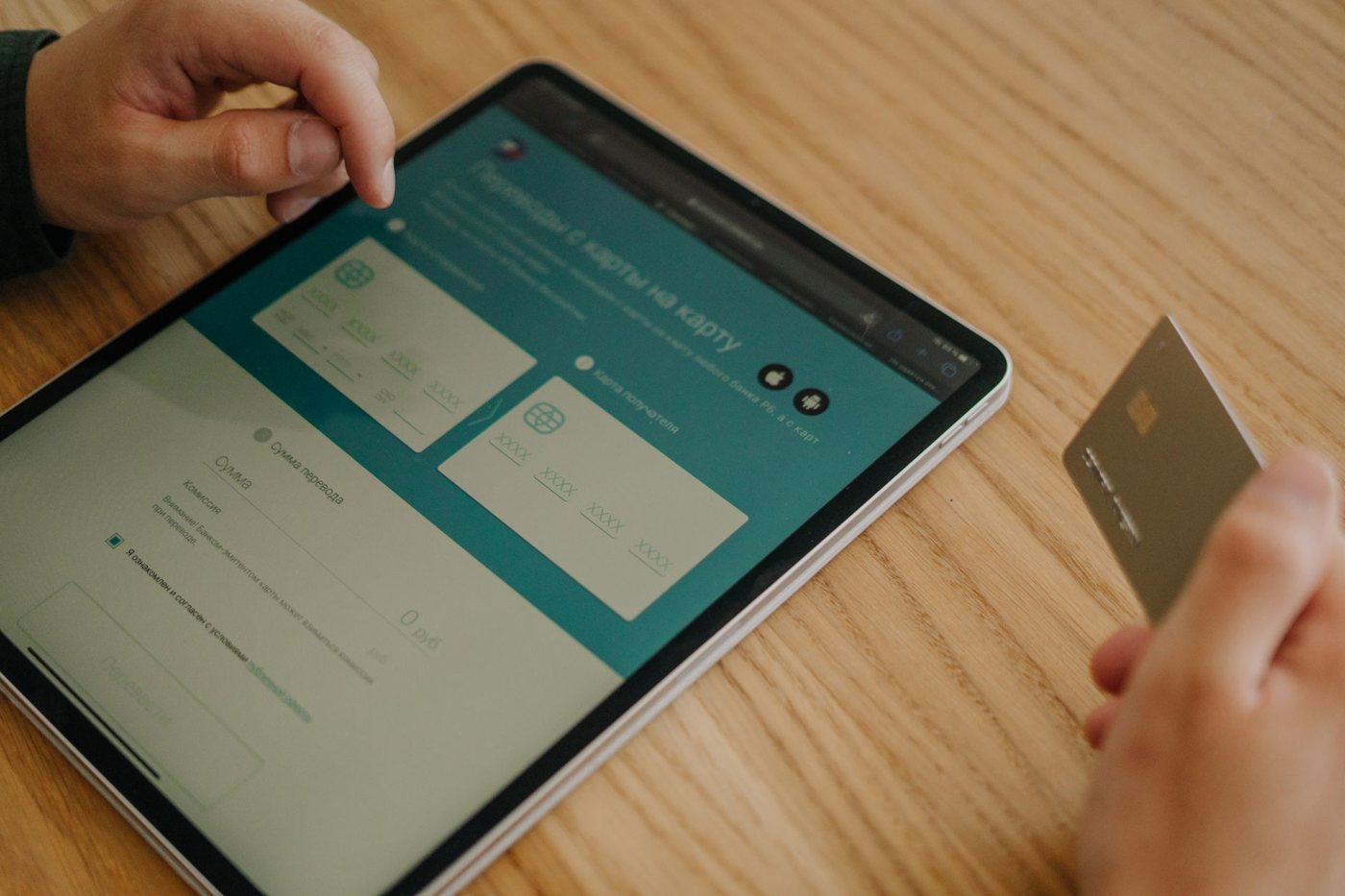
Picture this illustration, which is not a real person: a seven-day trial of a streaming service is paid for with a credit card, the user cancels in the app, and a monthly charge still appears. Card payments that go wrong can be taken up with the card provider through two routes, Section 75 and chargeback. This guide sets out what the Financial Ombudsman Service (a UK body) and Citizens Advice (advice for England) say about each, including the £100 line and the 120-day limit. Neither organisation’s pages read mention free trials, so the guide reports what they say about card disputes generally and flags where a trial charge may or may not fit.
Step one: the trader
Citizens Advice says it is usually best to try to contact the trader first. If the trader has a complaints procedure, it advises following it, and it suggests emailing or writing, keeping a copy of anything sent. Only if the trader cannot be contacted or will not help does it say to ask the card provider (or PayPal) for help. For a chargeback, the Ombudsman says a consumer often needs to show that they have tried to resolve the problem with the supplier.
Which problems does chargeback cover?
The Ombudsman describes chargeback as a way to challenge and claw back payments made with a debit or credit card, available only in certain circumstances. Its list of often-valid reasons includes goods or services that do not match the description, goods never turning up or a service never provided, a refund the supplier said it was processing but never paid, and a supply cancelled in line with the supplier’s policy where no refund was paid. It adds that other reasons can concern the nature of the transaction, such as the amount charged or whether the payment was authorised.
The pages do not say which, if any, of these fits a charge after a trial. A bank or lender does not have to raise a chargeback, the Ombudsman states, although it can be good practice where valid reasons exist.
The £100 line in Section 75
The Ombudsman says Section 75 of the Consumer Credit Act 1974 can apply when some or all of the cost was paid by credit card and the cash price of the goods or services is more than £100 but not more than £30,000. It is the cash price that matters, not what was paid on the card, so a part-payment by credit card can still qualify.
Citizens Advice adds that the limits are for a single item and not the whole order. In its example, a person buys a £80 phone and £20 headphones with a delivery charge of £5; although she paid £105, no single item cost more than £100, so she cannot use Section 75 and is told to ask for chargeback. The pages do not say how the test applies to a subscription charged month by month.
Section 75 does not apply to debit or charge card payments, the Ombudsman says, though a chargeback may still be possible. Citizens Advice says it usually cannot be used when buying through a third party such as a marketplace or a wallet like PayPal.
Chargeback and the 120 days
Citizens Advice says chargeback is the route for a debit card or charge card, or for a credit card when Section 75 cannot be used. The Ombudsman says a card will likely be with one of the main card schemes, Visa, Mastercard or American Express, each with different chargeback rules, and tells readers to check them with their bank or lender.

On time limits, the Ombudsman says there is usually around 120 days to raise a chargeback about goods or services, which might run from the date the goods were expected but not provided, or from the date something defective or not as described was received, and that limits might be longer or shorter depending on the circumstances. For a dispute opened on the PayPal website, Citizens Advice gives 180 days from payment.
Making the claim
Citizens Advice says to tell the card provider that a chargeback claim is wanted, preferably in writing, and notes that some providers call it a “disputed transaction”. It says a chargeback claim can ask for the amount paid on that card only. The Ombudsman lists evidence that may help: receipts or proof of payment, terms and conditions, and emails about the purchase.
Citizens Advice also says the trader can challenge a refund even after the money has been returned, and suggests, if possible, keeping the money for a few weeks in case the challenge succeeds. The Ombudsman’s guidance for financial businesses says it is often good practice to explore a chargeback even if the customer does not mention it, and even if Section 75 applies.
If the card provider says no
The Ombudsman says a formal complaint should be made to the company first; if no final response arrives within eight weeks, or the response is unsatisfactory, the complaint can go to the Ombudsman, whose service is free. Citizens Advice says that after a failed Section 75 claim, the Ombudsman can look at the case, and that after a failed chargeback the provider can be asked why. If the provider says it appealed to the trader’s bank and failed, Citizens Advice says there is nothing else to do; if it will not appeal, a complaint to the Ombudsman is possible. Citizens Advice describes the Ombudsman as independent and says a complaint may still end without the money back.
The bottom line
Citizens Advice (England) and the Financial Ombudsman Service describe the same two routes: Section 75 for credit card purchases of more than £100 and up to £30,000 per item, and chargeback for debit, charge and other card payments, usually within around 120 days. Their pages list reasons such as goods or services not as described, never provided, or cancelled with no refund, and they do not mention free trials, so whether a post-trial charge qualifies depends on the facts and on the card provider’s decision. Citizens Advice advises contacting the trader first, and either route can end in a complaint to the Ombudsman.
Sources
- Getting your money back if you paid by card or PayPal, Citizens Advice (advice applies to England), page undated, read 8 November 2026 (citizensadvice.org.uk)
- Problems with goods and services bought using a debit card or credit (Section 75 and chargeback), Financial Ombudsman Service, page undated, read 8 November 2026 (financial-ombudsman.org.uk)
- Problems with goods and services bought using a debit card or credit, Financial Ombudsman Service (information for financial businesses), page undated, read 8 November 2026 (financial-ombudsman.org.uk)
